
"Rwandan coffee culture"
400 article(s) found

Rwanda coffee beans are carefully planted and washed to achieve high quality Arabica coffee beans.
Rwanda is a small African country, and the local people are relatively poor, but it produces straight and very good coffee. Unlike its neighbors Kenya and Ethiopia, Rwanda's coffee is mainly round bourbon. The taste is not as prominent as Ethiopia and Kenya, but the evenness is excellent. Karnogi coffee in Rwanda is grown and harvested by local small farmers and is produced by Git

Introduction to the characteristics of Rwandan Coffee beans in Rwanda Coffee Flavor Manor area
The first problem for Malaba coffee farmers is to set up a cleaning station. The coffee fruit must be transported to the cleaning station to wash the sugar under the skin of the coffee bean within 12 hours after picking, otherwise the flavor of the coffee will be greatly damaged. In July 2001, with UNR, the Ministry of Culture and Industry of Rwanda (Office des Cultures Industrielles du Rwanda,OCIR-Caf), ACD

Rwanda Coffee Malaba Coffee Flavor introduction to the characteristics of Rwandan Coffee in Chilmel Manor
The first problem for Malaba coffee farmers is to set up a cleaning station. The coffee fruit must be transported to the cleaning station to wash the sugar under the skin of the coffee bean within 12 hours after picking, otherwise the flavor of the coffee will be greatly damaged. In July 2001, with UNR, the Ministry of Culture and Industry of Rwanda (Office des Cultures Industrielles du Rwanda,OCIR-Caf), ACD

Crystal Rwandan coffee varieties Taste characteristics Manor boutique coffee beans Flavor introduction
Since the 1920s, Arabica coffee grown in Rwanda has been known worldwide for its distinctive fruity sweetness and intense grassy aroma. In recent years, the Rwandan government has taken active measures to vigorously promote coffee production, establish coffee production cooperatives in various places, and provide technical guidance and financial support to farmers, so that coffee production has developed greatly. Rwanda

Introduction to the origin of coffee in Rwanda
Since the 1920s, Arabica coffee grown in Rwanda has been famous for its unique fruit sweetness and rich grass aroma. In recent years, the Rwandan government has taken positive measures to vigorously promote coffee production, set up coffee production cooperatives in various places, and give technical guidance and financial support to farmers, so that coffee production has made considerable progress. From Rwanda.

Introduction to Chilmel Manor with soft and full-bodied flavor of Rwandan coffee
Rwanda coffee is absolutely high quality in the form of washed Arabica beans. As far as Africa is concerned, its coffee industry is remarkable because the country thrives mainly by producing the best possible coffee beans. Coffee from Rwanda is becoming more and more popular in the international market. The mission of the Rwandan Coffee Association is to manage and supervise the coffee industry in Rwanda from production to sales.

Rwanda Coffee Flavor taste Manor production area introduces the characteristics of Rwandan coffee boutique coffee beans
Rwanda coffee is absolutely high quality in the form of washed Arabica beans. As far as Africa is concerned, its coffee industry is remarkable because the country thrives mainly by producing the best possible coffee beans. Coffee from Rwanda is becoming more and more popular in the international market. The mission of the Rwandan Coffee Association is to manage and supervise the coffee industry in Rwanda from production to sales.
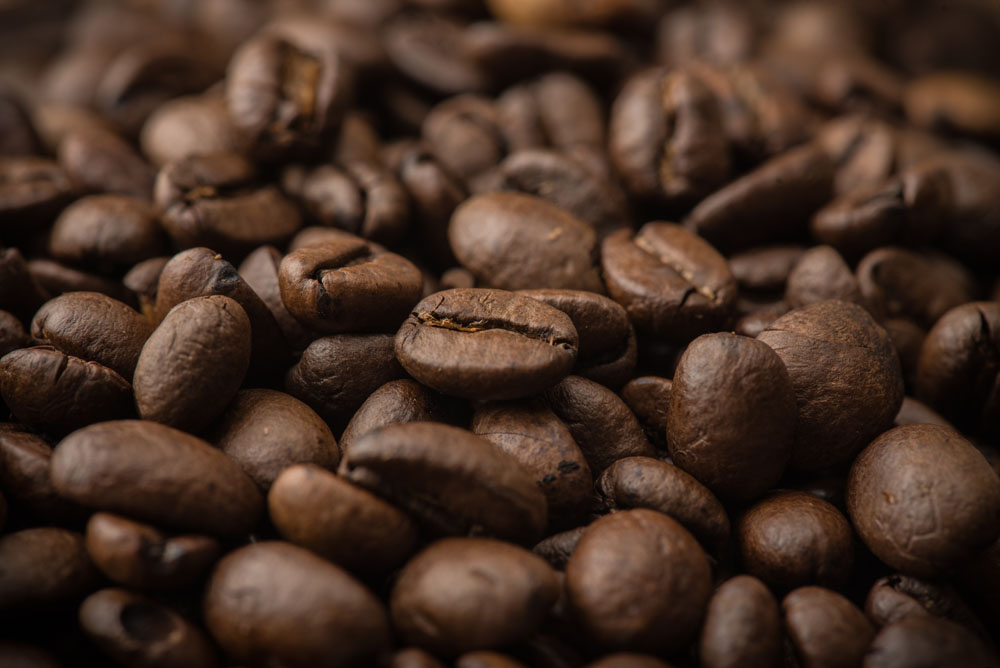
Crystal clear Rwandan coffee varieties Taste characteristics Manor boutique coffee beans Flavor introduction
Since the 1920s, Arabica coffee grown in Rwanda has been known worldwide for its distinctive fruity sweetness and intense grassy aroma. In recent years, the Rwandan government has taken active measures to vigorously promote coffee production, establish coffee production cooperatives in various places, and provide technical guidance and financial support to farmers, so that coffee production has developed greatly. Rwanda

Tropical climate features glittering and translucent Rwandan coffee flavor, characteristics, taste and manor
Since the 1920s, Arabica coffee grown in Rwanda has been famous for its unique fruit sweetness and rich grass aroma. In recent years, the Rwandan government has taken positive measures to vigorously promote coffee production, set up coffee production cooperatives in various places, and give technical guidance and financial support to farmers, so that coffee production has made considerable progress. University of Rwanda

Introduction to the method of roasting and the characteristics of taste and quality of Rwandan coffee
The way Rwandan coffee is roasted Bourbon coffee grown in the Lutesilo region of the western province of Rwanda is one of the original varieties of Arabica coffee. With its high-quality washed Arabica coffee beans, it is eye-catching and more and more well-known in the international market. Rwanda, the beautiful country of a thousand hills, has a long and rich culture for growing highland coffee.

Fragrant, full-grained Rwandan coffee beans. Varieties of Rwandan coffee beans in Chimere Manor.
The characteristics of Rwandan coffee: the taste of Rwandan coffee is described as grass aroma, with tropical climate characteristics, this coffee presents a sweet fruit taste, it also makes people taste refreshing, clear, and fresh. Bourbon coffee grown in Rwanda is amazing for its sweet fruit. It is full-bodied, full-bodied, unrestrained and memorable.

Glittering and translucent Rwandan Coffee Variety characteristics Taste introduction to Fine Coffee beans in Manor
Since the 1920s, Arabica coffee grown in Rwanda has been famous for its unique fruit sweetness and rich grass aroma. In recent years, the Rwandan government has taken positive measures to vigorously promote coffee production, set up coffee production cooperatives in various places, and give technical guidance and financial support to farmers, so that coffee production has made considerable progress. University of Rwanda

Introduction to the flavor and taste of Rwandan coffee beans the characteristics of Rwandan coffee beans
In 2000, the Mayor of Malaba requested development assistance from the National University of Rwanda (UNR), which is located near the city of Butare, and the following year, the National University of Rwanda assisted in the establishment of the Joint strengthening Rwanda Agricultural Partnership (PEARL). PEARL is also supported by several organizations: the United States Agency for International Development (USAID), Michigan State University, Texas A & M University, and

Glittering and translucent Rwandan coffee varieties taste manor characteristics introduction to the flavor of fine coffee beans
Since the 1920s, Arabica coffee grown in Rwanda has been famous for its unique fruit sweetness and rich grass aroma. In recent years, the Rwandan government has taken positive measures to vigorously promote coffee production, set up coffee production cooperatives in various places, and give technical guidance and financial support to farmers, so that coffee production has made considerable progress. University of Rwanda

Description of Rwandan Coffee Flavor introduction to the production area of grinding degree of fine coffee beans
The biggest harvest season for Rwandan coffee is during the main rainy season, from March to the end of May. During the harvest season, farmers spend most of their day picking coffee fruits by hand. In the afternoon, farmers carry coffee fruits in traditional baskets made of banana leaves to a cleaning station a few hours away. The mechanic uses his hands to make the best quality coffee with crimson color.

Description of flavor of Rwandan coffee beans introduction to manors in areas where varieties are produced by grinding scale
Rwanda coffee is absolutely high quality in the form of washed Arabica beans. As far as Africa is concerned, its coffee industry is remarkable because the country thrives mainly by producing the best possible coffee beans. Coffee from Rwanda is becoming more and more popular in the international market. The mission of the Rwandan Coffee Association is to manage and supervise the coffee industry in Rwanda from production to sales.

How is the planting of single bean in Rwanda? introduction to the award-winning situation of single bean in Rwanda
Professional baristas please pay attention to the coffee workshop (Wechat official account cafe_style) Rwanda (Rwanda) coffee with its high-quality washed Arabica coffee beans, it is becoming more and more famous in the international market. According to Karuritwa, marketing and promotion officer of the Rwandan Coffee Association, Rwanda plans to export 3000 tons of coffee this year.

A brief introduction to the treatment method of grinding degree and baking degree of Rwanda boutique coffee beans in the world boutique coffee manor
Suggested roasting method: deep roasting ★★: good ★★ Coffee Market: Rwanda (Rwanda) coffee is absolutely high quality in the form of washed Arabica beans. As far as Africa is concerned, its coffee industry is remarkable because the country thrives mainly by producing the best possible coffee beans. Coffee from Rwanda is becoming more and more popular in the international market. Rwandan coffee

Flavor description of Rwandan fine coffee beans Grind scale Manor Introduction to regional processing
Rwanda is a small African country, and the local people are also relatively poor, but it produces very good straight coffee, which is different from its neighbors Kenya and Ethiopia. Rwanda's coffee is mainly round bourbon, and the taste is not as prominent as Ethiopia and Kenya, but the uniformity is excellent. Rwanda Karnogi coffee is grown and harvested by local smallholders

Taste characteristics of glittering and translucent Rwandan coffee varieties introduction to the flavor of fine coffee beans in the manor
Since the 1920s, Arabica coffee grown in Rwanda has been famous for its unique fruit sweetness and rich grass aroma. In recent years, the Rwandan government has taken positive measures to vigorously promote coffee production, set up coffee production cooperatives in various places, and give technical guidance and financial support to farmers, so that coffee production has made considerable progress. University of Rwanda